Jump to Navigation

New Jersey Medical Malpractice Law Blog

Doctor at regional hospital removes wrong kidney

Thousands of patients across the country go to hospitals each day for surgical procedures, and here in New Jersey surgical patients enjoy access to some of the nation's best hospitals and doctors through medical facilities in the Tri-state area. While many patients have fears about the underlying reasons that they must undergo surgery, few anticipate the very real possibility that mistakes during surgery will leave them worse off than before the procedures.

A patient at a highly respected regional hospital recently fell victim this very fate. A dialysis recipient with two failed kidneys, the patient was scheduled to have one kidney removed, but the acting surgeon removed the wrong kidney. Doctors later had to remove the kidney that should have been extracted in the first surgery, leaving the elderly individual without either organ.

Assertive patient advocates may help prevent medical mistakes

When it comes healthcare, it is important for patients to be aware of what is going on from a treatment perspective. However, too often patients shy away from questioning their healthcare providers, and blindly accept their doctor's decision. To prevent medical errors or mistakes from occurring, it is now becoming important for patients to always have a family member, friend or a professional advocate present to take notes and ask questions.

Our New Jersey readers will find it helpful to keep the following tips in mind when visiting a doctor or accompanying a family member or friend to the hospital. It may seem like a minor point, but it is important for the patient to know the name of the doctor. All patients have a right to review their medical records, be informed about the treatment or procedure one is about to receive and understand the risks involved. The patient may also authorize their advocate to see the records.

Wrongful death suit alleges doctor failed to diagnose condition

According to the Centers for Disease Control, heart disease is the leading cause of death in the U.S., and nearly 600,000 people die every year from the disease. Given the high incidence of heart disease, when a patient presents with symptoms of a heart attack, there is an expectation that the attending physician will perform the necessary tests and checks. Nonetheless, there are times when a doctor may fail to diagnose the condition and serious injury or even death may result.

In fact, our New Jersey residents will find it interesting to learn of an on-going wrongful death suit that was filed in another state against a health system and hospital for failing to adequately diagnose a 45-year-old man's heart condition.

Medical economics: Do hospitals profit from surgical errors?

New Jersey residents will find it interesting to learn that a recent study published in the Journal of the American Medical Association found that hospitals may profit from the surgical errors and mistakes they make.

The study examined records of over 34,000 surgical patients in 2010 at one hospital run by Texas Health Resources, which is a large nonprofit hospital system. About 1,820 of those patients suffered from one or more preventable complications such as a blood clot, pneumonia or infected incisions. As a result of the complications, the patients' median length of stay quadrupled to 14 days and on average, gave the hospital revenue of $30,500 more than for patients without complications. Further, patients on Medicare and Medicaid or those who paid out of pocket paid far less than what private insurers paid.

Are robotic surgical errors on the rise?

The term surgery invokes images of bright lights over a patient with nurses and doctors in surgical gowns, gloves and masks hovering over a patient about to undergo a procedure. This traditional imagery of surgery may change as robotic surgery gains acceptance for minimally invasive surgeries in numerous fields. However, despite the use of robots to perform surgery, the risk of mistakes during surgery is still very real.

Residents of New Jersey may find it interesting to learn that a little over five years ago the use of robotic surgery started with the fields of gynecology and urology, but eventually included other specialties such as cardiology. Hospitals that use robotic surgery may use the da Vinci robot from Intuitive Surgical. All this may sound fascinating, but the surgical errors and mistakes that could occur as a result of using the da Vinci robot may be underreported and can result in serious injury and death.

Negligent doctor faces murder charges

Access to healthcare is important for the well-being of any person. Most visit doctors for preventive care, urgent health matters or the management of chronic diseases. When offering services, hospitals are required to comply with various patient safety and health regulations and they are required to maintain a hygienic and sanitary environment. When a patient is seriously harmed because of a negligent doctor or conditions at a hospital, it may help to contact medical malpractice attorney.

New Jersey residents may be aware of the national story surrounding a Philadelphia doctor who is now facing capital murder charges in connection with the death of a woman patient and the deaths of seven babies who were allegedly born alive. The doctor apparently performed abortions in unhygienic conditions. When authorities raided his clinic in 2010, they found blood on the floor, smelled urine in the clinic and found a flea infested cat wandering in the facility. A 22-year-old woman allegedly died of sepsis and infection after a procedure performed by the doctor at this clinic. The doctor claims that he is being unfairly held to standards one might expect at the Mayo Clinic.

Medical malpractice suit filed against hospital and surgeons

Most patients go into surgery cognizant that surgical intervention carries with it some risk. Nevertheless, doctors, hospital staff and surgeons have an on-going duty to provide a reasonable standard of care. Negligent healthcare provides may be held liable for providing sub-standard care, lack of informed consent, mistakes during surgery and other errors.

Recently, the family of a 44-year-old who died due to complications from surgeries she had has filed a medical malpractice suit against the hospital and, at least three surgeons. After several pre-surgery screens, the woman was cleared for gastric bypass surgery, which her doctor recommended as a weight loss option.

Surgeon fatigue increases chances of surgical error

Anyone who has seen ER or Grey's Anatomy knows that doctors often work long hours. While the practice may be common, there is concern among some safety advocates that fatigue contributes to unnecessary and preventable medical errors. In fact, a number of studies conducted over the last several decades suggest that sleep deprivation can lead serious surgical errors. The news has some advocates calling for duty hour regulations.

According to a 1998 study, surgical resident who remained awake all night made 20 percent more mistakes during surgery and took nearly 15 percent longer to complete surgical tasks than those who slept. In support of these findings, a 2012 study published in the Archives of Surgery found that the average sleep deprived surgical resident was functioning at less than 80 percent of their mental capacity for approximately half of the time that they were awake.

Exposure to hazardous chemical - settle or not to settle?

Most people will be exposed to chemicals at some point during their existence. That chemical exposure will typically be through the use of household products, potentially through work related tasks or both. However, most do not expect to be involved in and have their health and the health of their loved ones directly impacted by a chemical spill. For anyone who has been seriously injured or lost a loved one due to a chemical exposure should consider consulting with a New Jersey wrongful death attorney to understand their legal rights and recourse.

New Jersey residents may be familiar with the November 2012 Conrail freight train derailment over a New Jersey bridge which resulted in the release of vinyl chloride into the air. This release sickened over 70 residents in the area causing dizziness and breathing difficulties. According to CDC's Agency for Toxic Substances and Disease Registry, vinyl chloride is a known human carcinogen which can affect the heart, liver, immune system and may affect growth and development.

Surgical items left in patients still an issue

When surgery is necessary to save a life, healthcare providers are expected by families of the patient and the patient to take all reasonable to steps to ensure that an error does not occur. Despite efforts by hospitals to minimize surgical errors such as pre-post count of sponges to keep track of them, sometimes are they are still left in patients and, cause harm.

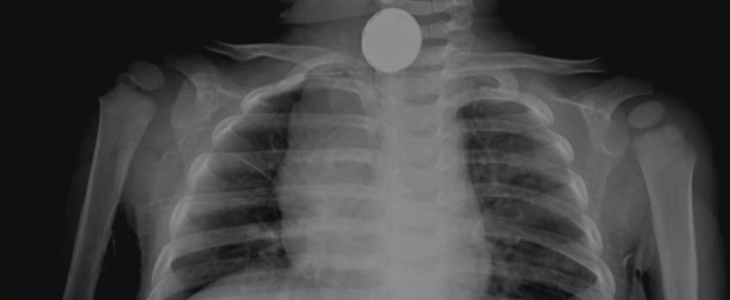
More than half the states are required to report medical errors but, experts believe that there is underreporting. Three studies conducted in 2008 estimated that sponges and other items are lost anywhere between 1 in 5,500 to 7,000 surgeries. In one case, when a woman suffered from a swollen stomach and, her bowels had stopped working about a month after her C-section, x-rays showed that a surgical sponge which was nearly the size of washcloth was left in her abdomen. She underwent emergency surgery to get the infected mass out of her body and required nearly three weeks of hospitalization.

Tell Us About Your Case

Bold labels are required.

Contact Information
disclaimer.

The use of the Internet or this form for communication with the firm or any individual member of the firm does not establish an attorney-client relationship. Confidential or time-sensitive information should not be sent through this form.

close
Subscribe to this blog's feed FindLaw Network

Privacy Policy | Business Development Solutions by FindLaw, a Thomson Reuters business.